If you're searching for the cost of living in Belton TX, you're probably doing what a lot of Central Texas newcomers do: looking for a place with real community, decent schools, and a monthly budget that doesn't make you wince. Belton, the Bell County seat, sits at the junction of I-35 and I-14 between Temple and Killeen, and it has become a go-to option for buyers priced out of larger metros like Austin. Moving to Belton TX can stretch a paycheck further than almost anywhere along the corridor, but "cheaper than Austin" isn't the same as "affordable for you."
The sticker price of a house is only one piece of the picture. Property taxes, homeowners insurance, summer electric bills, and the cost of getting to work all shape what living here really costs. This guide walks through each major expense, compares Belton with Temple and Salado, and finishes with sample budgets so you can estimate the income you'd need to be comfortable.
Table of Contents
- 1. How Much Does It Cost to Live in Belton, TX?
- 2. Housing Costs: Buying vs. Renting in Belton
- 3. Property Taxes and Other Homeownership Expenses
- 4. Utilities, Groceries, and Everyday Expenses
- 5. Transportation and Commuting Costs
- 6. Belton vs. Nearby Cities: Where Does Your Money Go Further?
- 7. What Salary Do You Need to Live Comfortably in Belton?
- Final Thoughts: Is Belton, TX Affordable for Your Budget?
1. How Much Does It Cost to Live in Belton, TX?
Most cost-of-living indexes put Belton roughly 12% to 15% below the national average and about 7% below the Texas average. Housing does most of that work, coming in well under national levels, while utilities run higher than average because of long, hot summers. Groceries and healthcare land close to or slightly under national figures, depending on the index.
Those percentages are a starting point, not a budget. A single renter with one car and a modest lifestyle can live here on far less than a family of four buying a newer home with two car payments and daycare. Household size is the biggest swing factor, followed by whether you rent or own, how much you drive, and how often you eat out. Two households earning the same salary can have completely different experiences in the same zip code.
Online cost-of-living calculators are useful for a quick comparison, but they work from averages. They usually can't see your property tax bill, your insurance deductible, whether your new subdivision carries a special assessment, or whether you'll be driving to Austin twice a week. Treat them as a sanity check, then build your own numbers using the sections below. The rest of this article does exactly that, and the figures I use throughout are estimates meant to help you plan, not quotes.

2. Housing Costs: Buying vs. Renting in Belton
Housing is the largest line in nearly every budget, and it's where Belton's value shows up most clearly. Median sale prices in 2026 data generally land between about $306,000 and $322,000, though the source and the month matter. Average prices run noticeably higher, often above $450,000, because lakefront and luxury properties on Belton Lake and Stillhouse Hollow pull the average up. If you're researching Belton TX home prices, the median is the more honest number for a typical buyer. For comparison, the typical Austin home is valued somewhere around $550,000.
What a Budget Buys
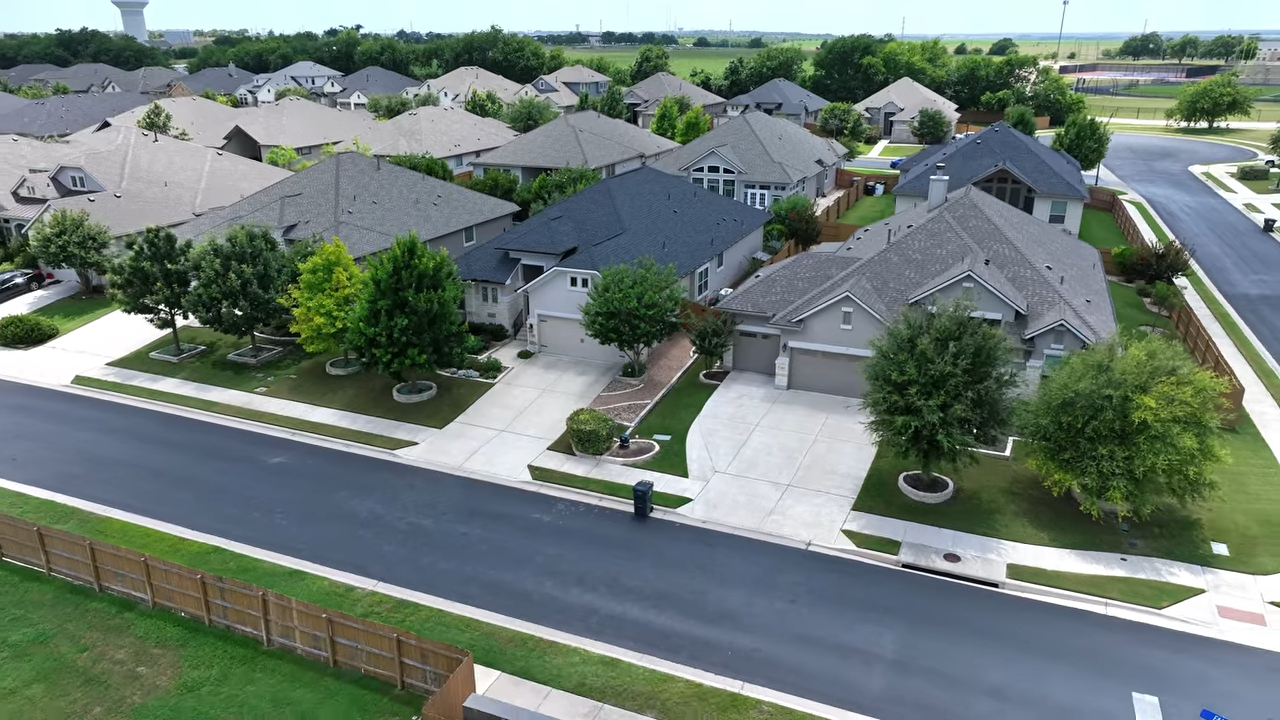
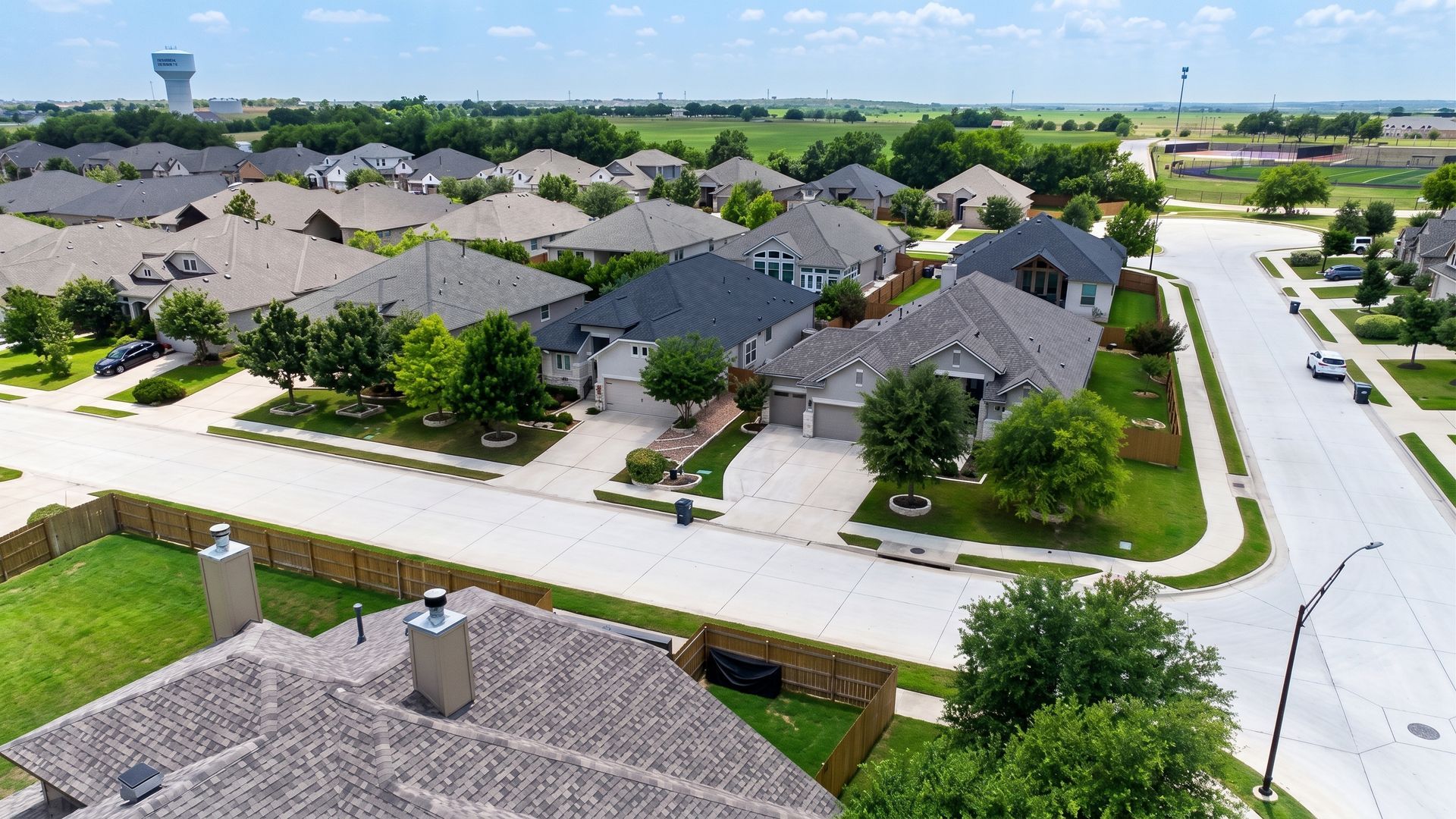
At the entry level, new construction in communities like Ridge at Bell Meadows and parts of Three Creeks starts in the low-to-mid $200,000s, with builder incentives such as rate buydowns and closing cost credits often on the table. Around the median, you're typically looking at a three- or four-bedroom home in a newer subdivision or a well-kept older neighborhood. Move-up budgets in the $400,000s open the door to places like Dawson Ranch, and true lakefront homes can reach well into the $700,000s and beyond.
Renting in Belton
Rent in Belton TX typically runs between roughly $1,165 and $1,350 a month depending on the source and the unit type, with single-family house rentals generally costing more than apartments. That's well below Austin, though rents have crept up as the area has grown. Renting makes sense if you're new to the area and want to learn which side of town fits before committing, which I often recommend to people relocating from out of state.
New Construction vs. Resale
New construction usually comes with warranties, fewer immediate repairs, and builder incentives, which can lower your first-year costs. The trade-offs are smaller yards in some communities, possible HOA dues, and sometimes a MUD or PID assessment added to your tax bill. Resale homes in established neighborhoods tend to offer larger lots and mature trees, but may need a new roof, HVAC, or windows sooner. Neither is automatically cheaper, so compare total monthly cost rather than list price.
Down Payment, Closing Costs, and the Monthly Payment
Conventional loans can start at 3% to 5% down, FHA loans at 3.5%, and VA loans (a big deal in a Fort Hood community) can require nothing down. Closing costs typically run a few percent of the purchase price, though seller concessions and builder credits can offset them. To see what a payment looks like, take a $310,000 home with 5% down. At an illustrative 6.5% rate on a 30-year loan, principal and interest come to about $1,860 a month. Your actual rate will differ, so run it with a current quote from a lender. Remember that this number is only the beginning, because taxes, insurance, and possibly mortgage insurance get added on top.
3. Property Taxes and Other Homeownership Expenses
Texas has no state income tax, which helps your take-home pay, but the state makes up for it with property taxes. Searches for property taxes in Belton TX usually turn up a handful of different numbers, and they're all technically right because your bill combines several taxing entities: the school district, the city, the county, and sometimes special districts. Each sets its rate per $100 of assessed value.
For a rough sense of scale, the 2026-27 Belton ISD rate is about $1.12 per $100 of value, and that's only the school portion. City and county rates are added on top, and city figures change annually, so use the current numbers rather than anything I quote here. As a ballpark, data for the 76513 zip code shows a median annual property tax bill around $4,200 on a median-value home, an effective rate near 1.6%. At that rate, a $310,000 home would carry roughly $5,000 a year, or about $420 a month, before any homestead exemption savings.
How to Verify Your Rate
The Tax Appraisal District of Bell County publishes values and rates by property, and Texas.gov has a property tax lookup tool. Ask your agent which taxing entities apply to the specific address, because two homes a mile apart can sit in different districts. Once you own the home, file for your homestead exemption with Bell CAD, which reduces your taxable value and caps annual increases in assessed value for your primary residence at 10%. It's not automatic, and it's one of the most commonly missed steps for new Texas homeowners. In newer subdivisions, also ask whether a MUD or PID assessment applies.
Insurance, Utilities, and Upkeep
Homeowners insurance is the other big surprise for people moving from out of state. Central Texas gets hail and severe storms, and premiums have climbed. The statewide average premium was around $3,500 a year in 2025, according to preliminary Texas Department of Insurance data, which works out to about $290 a month. Your quote will depend on roof age and material, coverage, and claims history. Many Texas policies carry a separate wind and hail deductible set as a percentage of your dwelling coverage, so a 1% to 2% deductible on a $300,000 home means $3,000 to $6,000 out of pocket after a storm. Impact-resistant (Class 4) roofing can earn a discount.
Then there's upkeep: a common rule of thumb is to set aside around 1% of the home's value each year for maintenance and repairs, which is about $260 a month on a $310,000 house, including things like lawn care, pest control, and the occasional AC repair. Add HOA dues if your community has them. This is why I always tell buyers to calculate the full monthly housing cost, not just the mortgage. A $1,860 mortgage payment can easily become a $3,000 monthly housing cost once everything is counted.

4. Utilities, Groceries, and Everyday Expenses
Utilities are the one category where Belton costs more than the national average. Electricity is the main reason. Central Texas summers regularly push into the triple digits for weeks at a time, and air conditioning runs constantly from June through September. Estimates for total energy bills in the area range from roughly $225 to $340 a month for a single-family home, with the high end hitting in July and August. Apartments and smaller homes will run less, and an efficient new build can cut cooling costs noticeably compared with a 1990s house.
Because Texas has a deregulated electricity market in much of the state, you can shop for providers, and plan type matters. Fixed-rate plans can shield you from price spikes, while variable plans may be cheaper in mild months. Many providers also offer budget billing that averages your payments across the year, which takes the sting out of a $400 August bill.
Water, sewer, and trash typically add somewhere around $80 to $130 a month depending on usage and whether you irrigate a lawn, and city rates change, so confirm current figures with the utility serving the address you're considering. Internet generally runs $55 to $80 for a standard plan, and mobile phones add to that.
Groceries in Belton run modestly below the national average, and a household of two can reasonably plan on around $800 to $900 a month for groceries and household essentials, while a family of four might budget $1,100 to $1,300. Healthcare costs track close to national levels, though the presence of Baylor Scott & White in nearby Temple means you're not driving far for specialists. Out-of-pocket healthcare depends far more on your insurance plan than on your zip code, so use your actual premiums. Personal spending, dining out, and entertainment are the most flexible lines of all. Belton's lake access, parks, and downtown events make lower-cost entertainment easier than in a big city.
5. Transportation and Commuting Costs
Belton is a car-dependent town. Regional transit options like The HOP exist, but they won't replace a vehicle for most households, so plan on at least one car and probably two. That means budgeting for gas, insurance, registration, maintenance, and, if you're financing, a car payment, which for many households is the single largest transportation cost. Texas auto insurance is not cheap in every part of the state, though rates in the Killeen-Temple area tend to be more moderate than in the big metros. Get quotes before you move, since your premium depends heavily on your driving record, vehicle, and coverage.
One bright spot is that parking is generally free and plentiful, so you won't face the monthly parking fees common in downtown Austin or Dallas. The average commute for Belton residents is only around 20 minutes, which is shorter than many Texas suburbs.
How far you drive will shape your budget more than almost anything else in this section. Temple is roughly 10 to 15 minutes away, and Killeen and Fort Hood are generally under 30 minutes. Those commutes cost very little in fuel, perhaps $2 to $5 a day. Waco is about 45 to 50 minutes north, and Austin is an hour to an hour and 15 minutes each way without traffic. A five-day-a-week Austin commute can add several hundred dollars a month in gas alone, plus faster wear on tires, brakes, and oil changes, and it costs you roughly two to three hours of your day. Many people who work in Austin use a hybrid schedule, which can bring the monthly cost down to something manageable. If Austin is in your future, put the real mileage in your budget before deciding that a lower home price wins.

6. Belton vs. Nearby Cities: Where Does Your Money Go Further?
Belton sits between two well-known neighbors, and comparing them is where the cost-of-living picture gets interesting.
Belton vs. Temple
Temple is generally a bit cheaper to buy in. Median home prices in Temple tend to run in the $255,000 to $300,000 range, which puts Belton at a premium of roughly $40,000 or more. Much of that premium reflects Belton ISD's reputation and the lake access nearby. Rents are comparable, with Temple offering a larger selection of apartment complexes. Temple also has the bigger retail and dining footprint and the Baylor Scott & White medical campus, so errands and healthcare are a little easier there. Commutes to Fort Hood are slightly shorter from Belton, while commutes to Temple's hospitals are slightly shorter from Temple.
Belton vs. Salado
Salado is the upscale option. Median prices there often run in the $450,000 to $500,000 range, and single-family rents are around $2,700 a month, which is roughly double typical Belton rents. In return you get a charming historic village, larger lots, and highly regarded schools. It's about 10 to 15 minutes closer to Austin, but for a daily commuter that saving rarely offsets a $150,000-plus difference in purchase price. Salado is a lifestyle choice more than a budget play.
The Cheapest Home Isn't Always the Cheapest Life
A lower purchase price can be erased by higher costs elsewhere. A $250,000 house with a 50-minute commute each way, a special district assessment, and an older roof may cost more per month than a $290,000 home five minutes from work with a newer roof and lower insurance. Neighborhood matters, too. Taxing districts, school zones, HOA dues, and flood or hail exposure all vary from block to block. My advice is always to compare specific neighborhoods and test your actual commute route at rush hour before you decide which city "wins."
7. What Salary Do You Need to Live Comfortably in Belton?
Here are three sample budgets, built from the figures above. They are estimates for planning, not guarantees, and they assume about 10% of take-home pay goes to savings and roughly 15% of gross pay goes to federal tax and payroll taxes (Texas has no state income tax). Your own taxes, benefits, and debts will move the numbers.
Single Adult, Renting
A single adult renting a one- or two-bedroom apartment might pay about $1,300 in rent, $140 for electricity, $40 for water and trash, $65 for internet, and $60 for a phone. Groceries run about $400, transportation (gas, insurance, and maintenance, with no car payment) around $375, healthcare about $200, and personal and entertainment spending about $300. That totals roughly $2,880 a month. Add 10% savings and you need about $3,200 in monthly take-home pay, which works out to a gross salary of roughly $45,000. Add a $400 car payment or student loan, and you'll need to push that closer to $52,000.
Couple, Buying a Home
A couple buying a $310,000 home with 5% down would pay about $1,860 in principal and interest, $420 in property tax, $290 in insurance, $150 for mortgage insurance, $35 in HOA dues, and $260 set aside for upkeep, for a total housing cost around $3,015 a month. Utilities and phones add about $550, groceries $850, two vehicles' worth of gas, insurance, and maintenance about $750, healthcare $400, and personal spending $500. The total is about $6,065 a month. With savings, that implies roughly $6,740 in take-home pay, or a gross household income near $95,000. Without the mortgage insurance, which drops off once you build 20% equity, the number comes down.
Household With Children
A family of four buying a $340,000 home with 5% down would pay roughly $2,040 in principal and interest, $460 in property tax, $300 in insurance, $165 in mortgage insurance, $35 in HOA, and $285 for upkeep, about $3,285 a month. Utilities and phones run around $640, groceries $1,200, two vehicles $800, and healthcare $500. Personal and family spending adds $700. Statewide averages for center-based child care run about $900 a month for an infant and around $560 for before- and after-school care for school-age kids, with local prices often higher in urban areas, so one child in daycare adds about $900. The total is roughly $8,025 a month, which with savings implies about $8,900 in take-home pay and a gross household income of around $125,000. Families eligible for the child tax credit, VA benefits, or dependent care accounts may need less.
Build Your Own Number
To estimate your own comfortable budget, start with your target housing payment, including taxes, insurance, and upkeep. Add your real utilities, groceries, transportation, insurance premiums, and any debt or child care. Then add a savings target, divide the total by 0.90 to find your needed take-home pay, and divide that by roughly 0.85 to estimate gross income. A simple check: if your total housing cost is more than about a third of your gross income, you're probably stretching. Debt is the line that most often breaks the plan, so pay close attention to car loans, student loans, and credit cards before you commit to a mortgage.

FAQs About the Cost of Living in Belton, TX
How much does it cost to live in Belton, TX, on average?
In general, Belton’s cost of living is about 12% to 15% below the national average and approximately 7% below the Texas state average. Housing has the biggest impact on your budget, along with property taxes and homeowners insurance. Utility bills also tend to be higher because of the long, extremely hot summers.
Is renting in Belton usually cheaper than buying?
It depends on your situation. Rent in Belton generally ranges from approximately $1,165 to $1,350 per month, depending on the source and property type. Houses typically cost more to rent than apartments.
Buying a home involves more than just a mortgage payment. You’ll also need to account for property taxes, homeowners insurance, maintenance costs, and HOA fees, if applicable. That’s why it’s worth comparing the total monthly cost rather than just the rent or purchase price.
What are the main costs of buying a home in Belton?
The biggest expenses typically include property taxes, homeowners insurance, and ongoing homeownership costs, such as maintenance and HOA fees, if applicable. Utility bills can also be a significant expense in the area, so your mortgage payment is only part of the picture.
For a more realistic estimate, factor in all the expenses that contribute to your total monthly housing costs.
How can I estimate my property taxes in Belton?
Property taxes vary by address because your total tax bill combines rates from different taxing entities, including the school district, city, county, and sometimes special districts.
One reference mentioned in the article is the Belton Independent School District (Belton ISD), which has a school tax rate of approximately $1.12 per $100 of taxable property value. Additional taxes may also apply.
To get an accurate estimate, use the tools provided by the Bell County Tax Appraisal District (Bell CAD) and check which taxing districts apply to the specific property you’re considering.
How much do I need to earn to live comfortably in Belton?
The blog provides a few examples:
-
Single adult renting: Approximately $3,200 in monthly take-home pay, equivalent to roughly $45,000 to $52,000 in annual gross income, depending on debt and loan payments.
-
Couple buying a home: Approximately $95,000 in annual gross household income.
-
Family with children: Approximately $125,000 in annual gross household income.
The best approach is to build a budget based on your actual expenses, including total housing costs, transportation, utilities, and savings.
Final Thoughts: Is Belton, TX Affordable for Your Budget?
The biggest expenses in Belton are the ones in every Texas budget: housing, which includes property taxes and insurance, followed by transportation and, for families, child care. Utilities run higher than the national average, but the home-price advantage over Austin and Salado is large enough that most households still come out ahead. A couple earning around $95,000 can buy a median-priced home and still save, which is a much tougher equation in many parts of Central Texas.
Belton tends to suit people who value school quality, lake access, a historic small-town center, and a short commute to Temple, Killeen, or Fort Hood . It's a tougher fit if you need to be in Austin five days a week, want the absolute lowest price (Temple and Killeen generally run cheaper), or want big-city dining and nightlife. The best next step is simple: take your current monthly expenses, set them beside a realistic Belton budget built from the numbers above, and see how the two compare.
Planning a move to Belton, TX? Explore available homes and local communities to see what fits your budget. If you're comparing neighborhoods or deciding between new construction and resale, reach out for help exploring your options. I can walk you through current pricing, property tax and insurance estimates for specific addresses, and the trade-offs between Belton, Temple, and Salado. Call or text 254-598-0010 to get started.